Second Course – Naql
Return to Menu
Ingredients:
Bottle Gourd; Breadcrumbs; Eggs; Black Pepper; Salt; Olive Oil
Alternate Ingredients:
 Bob’s Red Mill Gluten Free 1:1 Baking Flour will replace Breadcrumbs in the recipe above.
Mustard Sauce:
Black Mustard Seeds; Apple Cider Vinegar; Almonds; Salt; Honey

Discussion
This is one of the few explicitly vegetarian recipes in our sources which most often begin a vegetable recipe with “take the meat of a fat ram.” I chose to include it also because it is a vegetarian substitute for a dish commonly made with meat. As part of our “snacks” course, representing foods which were either commonly sold in the sūq or eaten as part of Naql, the tradition of eating salty snacks while drinking alcohol (something to which the modern reader can surely relates) these are simple and delicious pan-fried fritters to suit most diners.
As far as interpreting the recipe goes, this one is straightforward. The directions we are given are clear and easy to understand even as a modern reader. The only real question to resolve is what kind of “gourd” should be used. Of the many edible gourds, squashes and melons (cucurbits) we enjoy modernly, only a handful were available to the Andalusians. In this case, we are referring to Lagenaria, which we now call by many names including Calabash and Bottle Gourd. Our authors were familiar with five distinct members of this family, each with distinct characteristics (FKH 688). Where this author lives, we have only one variety available, Lagenaria siceraria (pictured below,) which is also called Long Bottle Gourd, Chinese Long Squash, or Opo Melon, found at the local Korean markets.
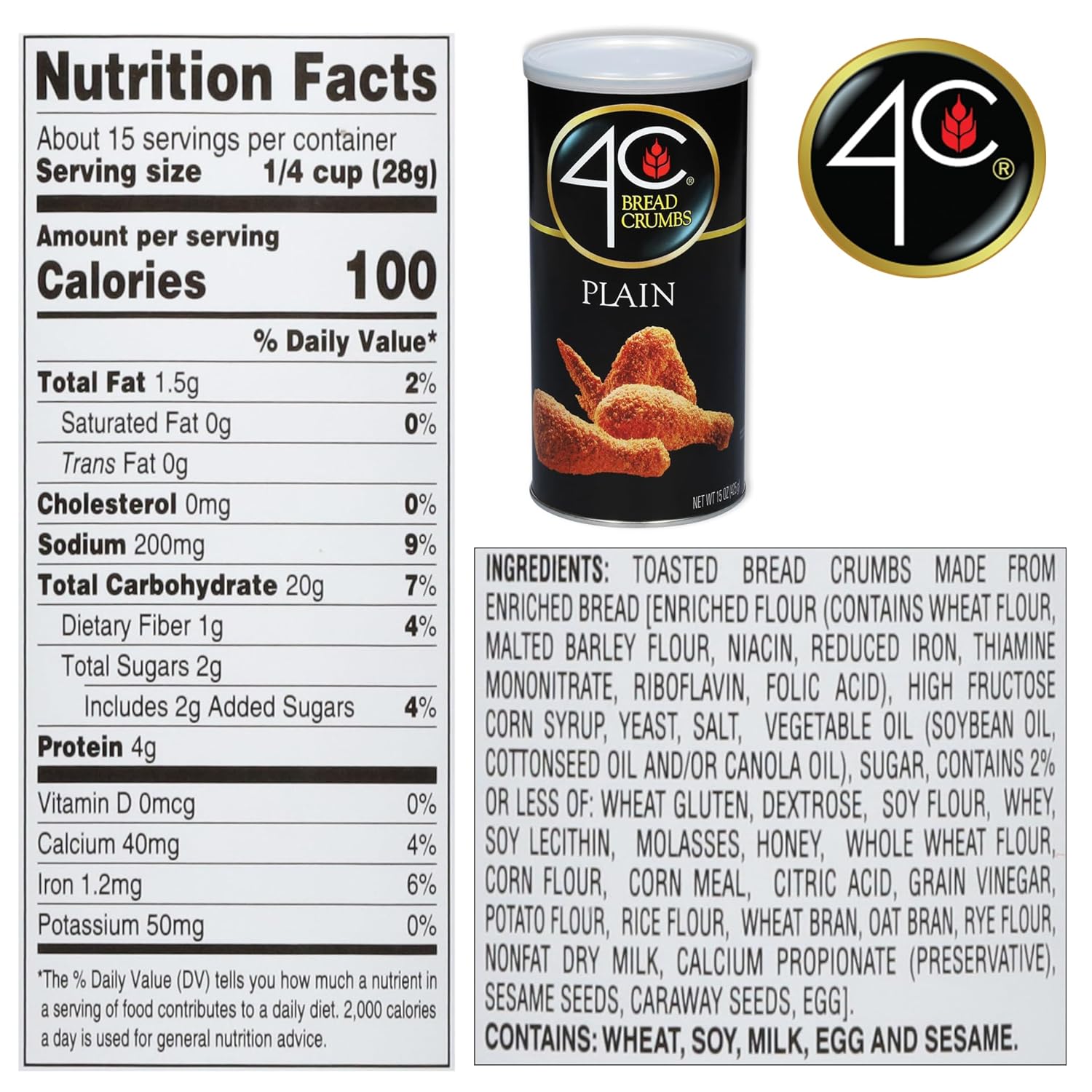
Because of the straightforward nature of this recipe, I did not need to make any serious departures from the source material. Despite requiring a lot of breadcrumbs due to the water content of the gourd, they are surprisingly flavorful. I chose to use store-bought breadcrumbs in the final recipe because the difference in the final product when using scratch-made is negligible. You could, of course, choose to bake one of the breads described in our sources and use that. The ahrash made from meat were typically served with Mustard Sauce, and I thought that complimented these well also, so it is included here.
References
FKH VII.1.4
Modernized Recipe
| 2 lbs. | Long Bottle Gourd |
| 1/2 t. | Salt |
| 1/2 t. | Black Pepper |
| 2 c. | Breadcrumbs |
| 3 ea. | Eggs |
| Mustard Sauce |
- Peel the Gourds, cut them in half lengthwise, and remove the core as well
- Cut the remaining flesh into large pieces
- Boil until soft
- Wrap the pieces in dry towels and press out any excess moisture
- Pulverize the Gourd in a mortar or food processor
- Add all of the remaining ingredients and combine thoroughly
- Allow the mixture to rest for at least 30 minutes, or overnight in the refrigerator after it has cooled
- Take a large pan over medium heat and fill it with enough Olive Oil to shallow-fry
- Take about 2 T. of dough in oiled hands, press it flat, and griddle it on both sides until crispy and brown
- Remove to drain and eat hot with Mustard Sauce
Process Photos


